Incorrect and Unjust: The Threat of Political Correctness


Political correctness (“PC”) is such a threat to liberty that only a few people have the courage to defend their convictions, which, in fact, should be our convictions: Freedom of speech, which is the right to peacefully protest, march, picket or assemble, in defense of those issues we will defend with our lives, our fortunes and our sacred honor.

Without that freedom, which is first among equals and enshrined in the First Amendment to the United States Constitution, all subsequent rights are moot. For you cannot be silent about this particular right, under penalty of expulsion from a university or termination of employment or exclusion by society, and be vocal about the other nine amendments that define the Bill of Rights.

And yet, how many of us will take that risk – a risk that should not even exist because it is a violation of law, and an attack against the morality of law – when the PC police seek to enforce their tyrannical legislation?

Our silence, the very thing these bullies demand we obey, is the only thing necessary for the triumph of evil. By saying nothing, we will do nothing, thereby allowing the enemies of speech – the opponents of dissent, and the forces of totalitarianism – to declare victory against language.

Words are the arsenal of democracy. They are the means by which we communicate, and the way we clarify the difference between justice and injustice.

When some anonymous bully attempts to censor us, when he or she applies a red pen to certain words, redacting whole pages about the brutality of Islamic fundamentalism or the problems of illegal immigration, and we say nothing; when we must use euphemisms to disguise the truth, and when the greatest offense is the “offensive” restatement of the obvious, then we will retain our citizenship by having forfeited our freedom.

That scenario is unacceptable; regardless of how “sensitive” the PC activists claim to be.

The Constitution protects rights, not feelings. Taking offense at what someone says is not an argument; it is an excuse to destroy my (and your) liberty.

To emote is an assault against rational thought. That is, a frown is not a persuasive response to . . . anything. And tears, of the crocodile kind, are no more convincing than a toddler having a temper tantrum.

We are the sensitive ones because, either as a result of embarrassment toward these antics or an aversion to sadness, we abet the undoing of the exchange of ideas, civil discourse, self-rule and the sanctity of the secret ballot.

All the foundational markers of our republic – an independent judiciary and due process of law, a free press and the proliferation of religious belief – all this, and much more, is kindling for a funeral pyre, reducing our rights to ashes.

What, you may ask, should we do to prevent this onslaught? In a word: Fight!

Fight with words, not arms.

Fight by exposing the sham that is political correctness.

Fight by refusing to succumb to false accusations and blatant lies. Fight by brandishing facts, and fight by broadcasting the truth to those who yearn to hear it.

Fight by not responding to the taunts and curses spewed against you.

Fight by letting the other side talk itself to defeat, as their shouting grows weaker and their howling grows softer.

Fight like gentlemen and gentlewomen, and speak like heroes.

The defense of liberty is a heroic mission because, where others have bled to preserve it and millions more have died to save it, it is now our duty to revive it.

That is our destiny.


Elizabeth Rice Grossman
 

Incorrect and Unjust: The Threat of Political Correctness

Around the World #11

Marrakech, Morocco


February 11,12 2016


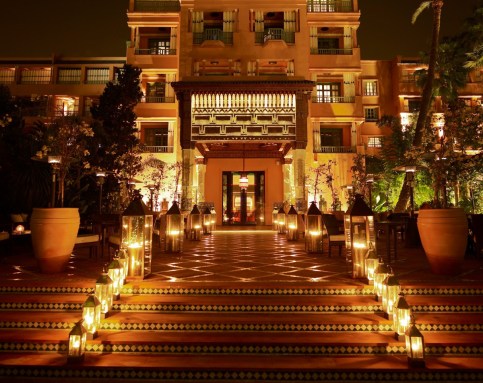
Snake Charmers, Acrobats, Monkeys, Souks in a maze and Majorelle Gardens…ricocheting  thoughts as we landed in Marrakech after a 6-hour plus flight from Jordan. And, of course, we were looking forward to the most fabulous hotel ever! La Mamounia is perfectly located…in the old town (media) and near the most famous mosque and of course the square. The Hotel opened in 1923 and has been renovated several times. After most recent, the palace is once again a vibrant celebration of the city’s past, present and future, displaying Moroccan style, complete with intricate patterns and arabesques based on Berber and Arab-Andalusian traditions.

hotel-la-mamounia-stairs-113
Hotel La Mamounia

Winston Churchill described La Mamounia this way: “It is the most lovely spot in the whole world”. The tile work is very impressive, and I understand why Doris Duke was so taken with Muslim art and architecture. It is gorgeous.   Me want!


Morocco has been inhabited for more that 50,000 years. The familiar story of the conquering forces forcing religion and culture repeats itself yet again! Arab forces started in about 684 A.D. with the goal of converting Jews and Christians to the new faith. Then it really got bloody between the Berbers and the Arabs! Oh dear.

Fast forward to King Hassan II (1961-199)…. moderation prevailed and his son seems to be on that same road. All seemed peaceful and safe while we were there.

It was odd, however, that we had to land in the Azores on our way back to the USA as Marrakech is not considered a secure airport by the TSA…..go figure. Didn’t know that until we left, thank God.


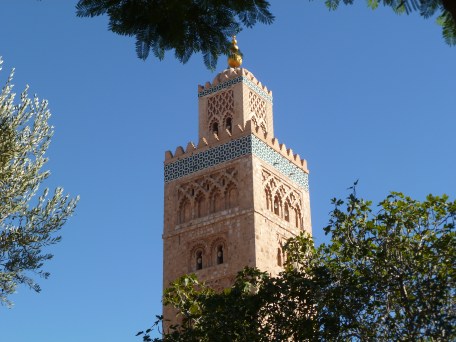
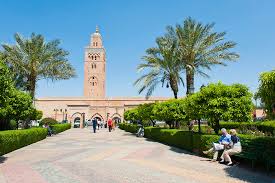
We started our day with a trip to the Koutoubia Mosque, and Ben Youssef Madrasa. All followed by a delicious lunch by the pool at our fabulous hotel…so civilized.

Koutoubia Mosque 2
Koutoubia Mosque
Koutoubia Mosque
Koutoubia Mosque
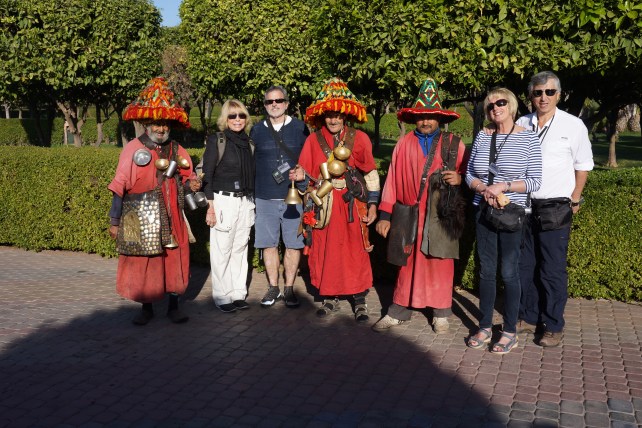
Lampshade People
Near the Mosque….Don’t Ask!


DSC04194
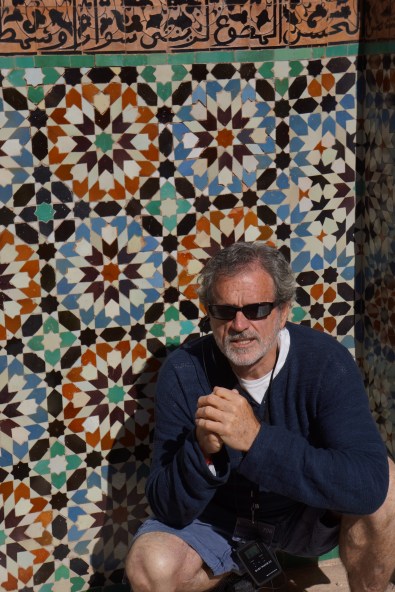
Ralph at Ben Youssef Medersa
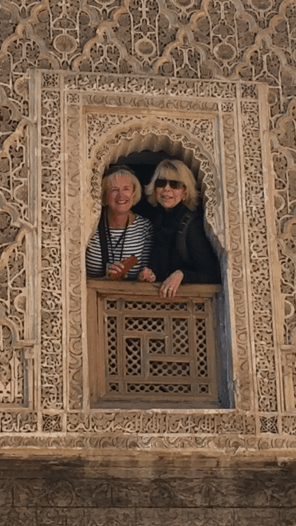
Sarah and Elzabeth at Ben oussef Medersa
Sarah and Elizabeth at Ben Youssef Medersa

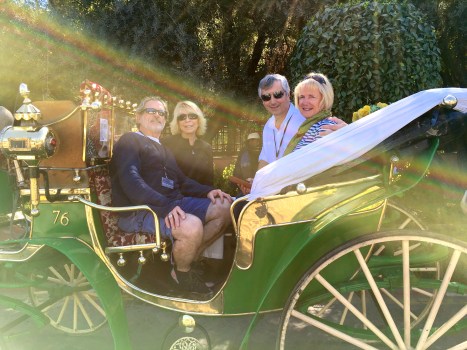
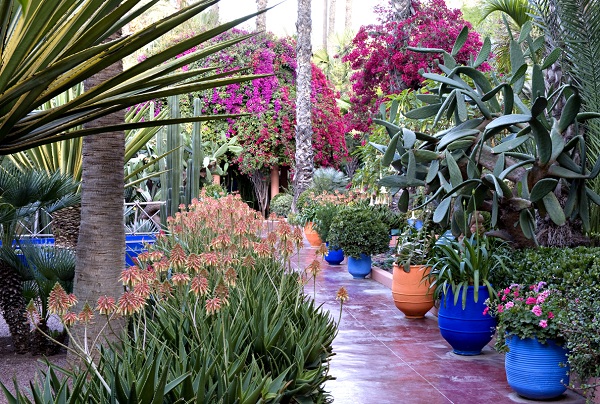
In the afternoon, we visited the Majorelle Gardens, which were established in the 1920’s. We traveled with our pals, Sarah and Allan, in a horse drawn buggy! It took French painter Jacques Majorelle (1886-1962) forty years of passion and dedication to create this charming garden in the heart of the “Ochre City”. Yves Saint Laurent and Pierre Berge later restored the gardens and they are quite something. The duo began visiting the gardens in 1966 and finally bought the property in 1980, thus preventing the gardens from becoming a hotel!   Pierre donated the gardens to their Foundation after YSL died in 2008. Bougainvillea, palms, cactus…pretty wonderful and a tasteful gift store!

FullSizeRender 3


Majorelle Gardens1


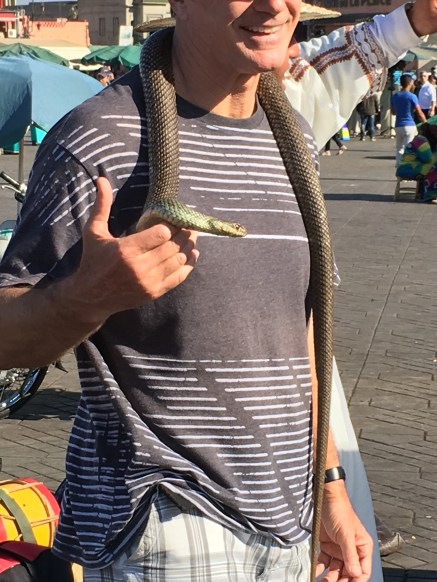
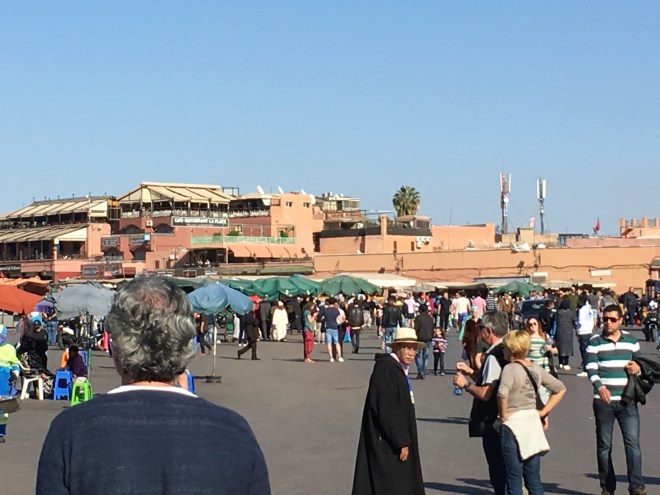
In the afternoon we went to the Djemaa El Fna Square. There I saw a snake!   A Cobra! I didn’t know if I could get close enough to take a photo, and I guess I couldn’t! When one of the men put a different type of snake around Jerry’s neck, I tried to take a photo and I ended up cutting off Jerry’s head. I’m pretty proud of myself, as I’m totally phobic about all things snake related! Sorry about the head Jerry.

IMG_1937

IMG_1936


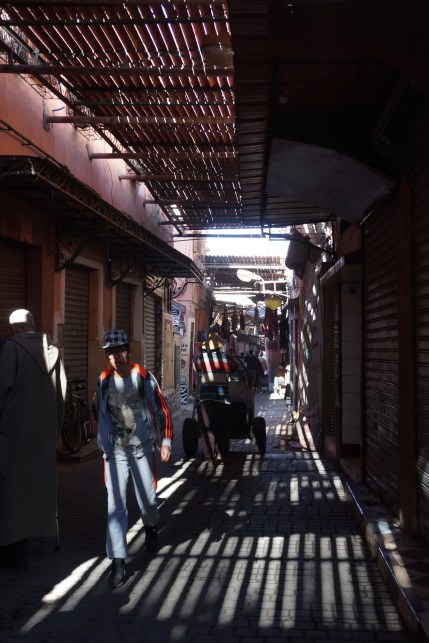
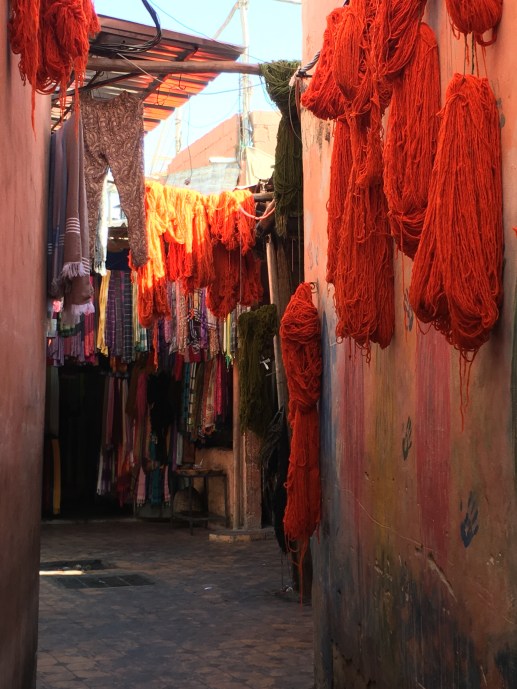
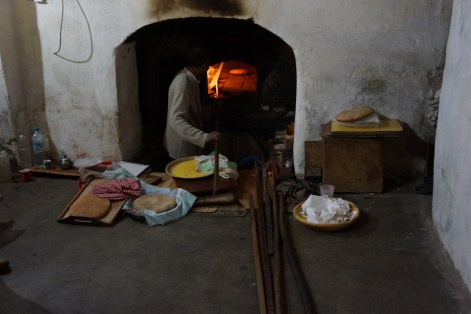
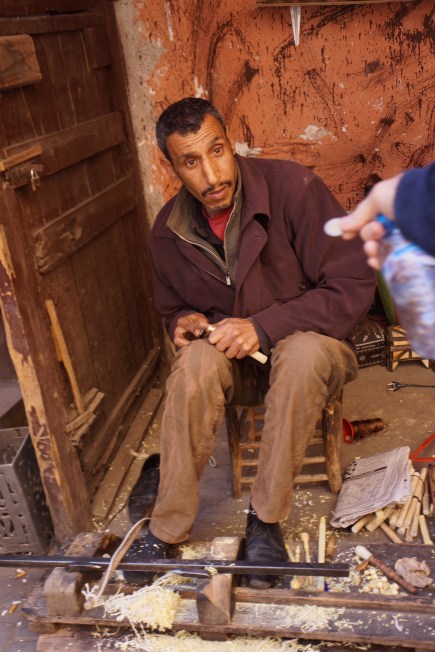
And, then, we entered the Souks…a maze really and we lost all sense of direction. Good thing we had a guide! Saw some amazing sights: a wood turner who used his feet, some beautiful vegetable dyes destined to become carpets perhaps, finished carpets everywhere (was tempted and no go), silver, clothing, spices, communal bread baker, leather shops, and on and on. The shopkeepers expect you to bargain, and I’m not comfortable…need Sasha! One man was so aggressive; I had to leave and all over a scarf!

DSC04187
Entering the Souks

IMG_1925

He bakes bread for anyone who brings it to him oven ready!
Bread Man
He made me something!
Wood Turner

Tonight would be our farewell dinner. We decided to wear rain ponchos to the cocktail party! Our fearless leader, Ester, was ALWAYS reminding us to take our ponchos when we left each day…and it NEVER rained! It became a running joke.  We had a lovely dinner complete with belly dancers, delicious food, and drink!


IMG_1939
Farewell Dinner! Yummy!

What a rewarding trip. And, although we traveled around the world in about 24 or 25 days representing 66 hours approximately in travel time, it was perfect! The pace is not for sissies! We were active from sunrise to sunset and beyond. I highly recommend National Geographic Expeditions!


A few takeaways:

Not in order of importance except the first one!

  1. The Untied States of America in the greatest country on earth. I’m in Warren Buffet’s camp.
  2. Stay away from current news…. it would have prevented us from going on this amazing trip! Remember boring doesn’t sell papers.
  3. Don’t judge a book, etc. Make an effort to interact with people who are not like you!
  4. We are all connected. Similar construction techniques were visible in Peru, Easter Island and Cambodia.
  5. We are from Africa.  Our ancestors were African.…irrefutable. Get over it! Bigotry has no place in any society.
  6. A bunch of really awful stuff was done in the name of God, Allah, Jehovah, etc.  Seriously just wrong.  There is no room in this world for extremism….none.  And, BTW, fairly confident the higher power doesn’t like what’s been done in his name for centuries….enough.


Around the World #11

Around the World #10 Jordan -Petra

February 9 – 10, 2016

After a 5 or 6-hour flight (who remembers anymore), we landed in Jordan –

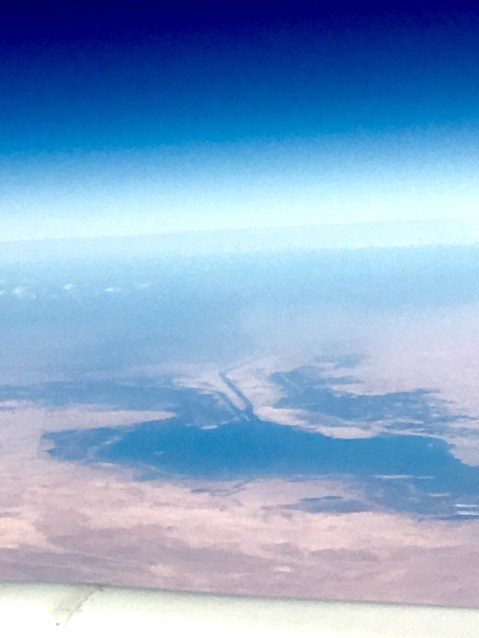
Aqaba to be specific. We flew over Egypt and the Suez Canal. Really nice flight!

Egypt

I think I could possibly be cured of fear of flying after all this time in the air! Probably not and one can hope I guess.   We still had a nice long bus ride to our hotel in Wadi Mousa, directly across the entrance to Petra.

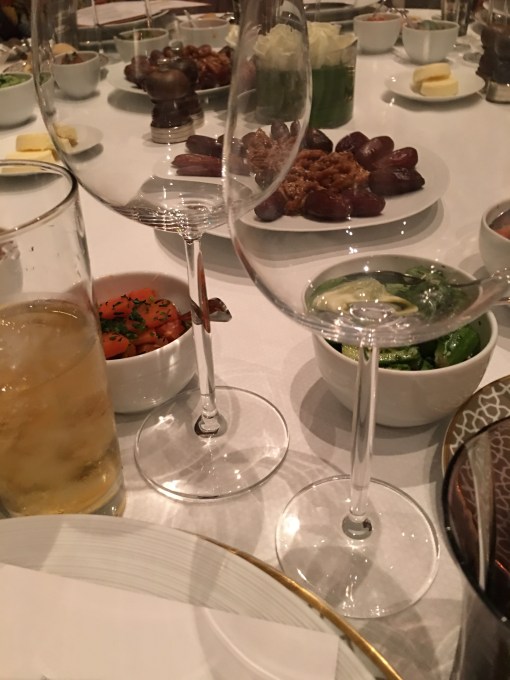
Jordanian people are so welcoming, and can they cook! The food is my favorite!  Stewed tomatoes, humus, olives, fresh juices…delicious!

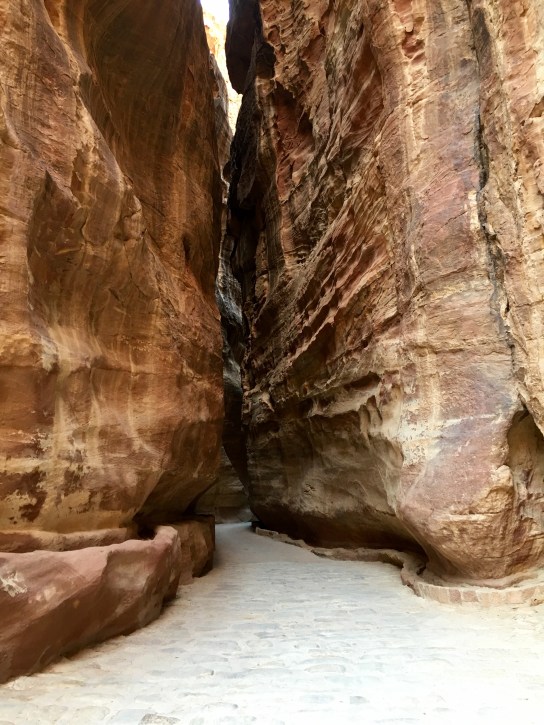
We elected to visit Petra early so that we could spend as much time as possible exploring.  Petra has been inhabited since prehistoric times. The ancient city was rediscovered in 1812 by the Swiss explorer Johan Burckhardt.  He convinced the locals that he was a Muslim seeking to make a pilgrimage to the Tomb of Harun.  He was the first westerner to see Petra since its decline several centuries before.  This Nabataean city, situated between the Red Sea and the Dead Sea, was an important crossroads between Arabia, Egypt and Syria-Phoenicia. Petra is half-built, half-carved into the rock, and is surrounded by mountains riddled with passages and gorges. It is one of the world’s most famous archaeological sites, where ancient Eastern traditions blend with Hellenistic architecture. Dating to around 300 B.C., it was the capital of the Nabataean Kingdom. These people were genius! They devised a water delivery and storage system that is still visible on either side in the Siq.   The Siq is a narrow gorge that leads visitors into Petra and resulted from a natural splitting of the mountain. It is about ¾ of a mile long and very narrow is spots…quite beautiful. The entrance to Petra and seeing the Treasury is jaw dropping beautiful! And the trek down to the city is crazy great, and very dramatic.

Path to Petra
Walking the Siq
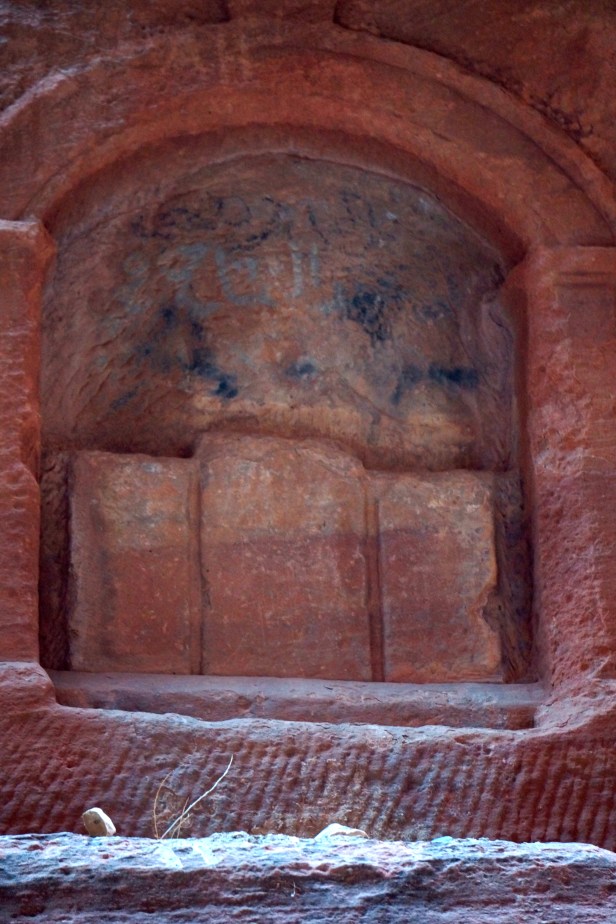
Block Gods
Block Gods Siq
Walkig to Petra
Following the Siq


First Glimpse of Treasury
First Glimpse of the Treasury Reward at the end of the Siq


Treasury at first glance
Getting Close


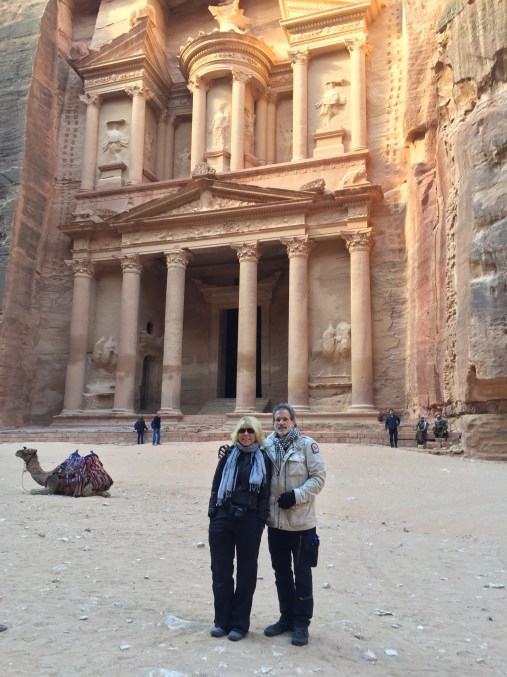
The Treasury (Al Khazna) is the most magnificent facade in Petra. It’s almost 40 meters (131 feet) high and intricately decorated with Corinthian Columns, and more. The Treasury is crowned by a funerary urn, which according to local legend conceals a pharaoh’s treasure.


In 1990 Kenneth W. Russell discovered the remains of a Byzantine era church on the north slope of the Colonnade Street. The church contained mosaic floors, marble screens, side rooms, a baptismal tank, and a room full of burnt scrolls, now known as the Petra Scrolls. The quality of the floor mosaics, which pave both side aisles and are well preserved, attest to the church’s significance.


The City of Petra flourished for over 400 years around the time of the Romans and contains over 800 individual monuments including   funerary halls, temples, arched gateways and colonnaded streets. The Nabataeans thrived in Petra for about a thousand years, and their metropolis peaked in the centuries just before and after AD 1 when caravan routes from Syria, Arabia, and Egypt found their way to Petra’s gates. There is little information about the Nabataeans and these Arab people excelled at trading. It was by their commercial acumen that they became a wealthy and an extremely formidable regional power. They controlled what is now Israel and Jordan into the northern Arabian Peninsula and later they became part of the Roman Empire. At one point there were 30,000 people living in ancient Petra. Interestingly according to our guide, people still lived in Petra up to 1985.

Elizabeth and Ralph Treasury
Elizabeth and Ralph at the Treasury
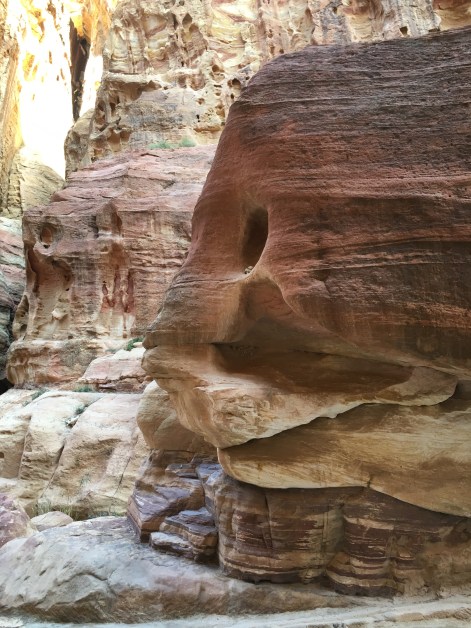
Looks like a Fish
Siq…looks like a fish!


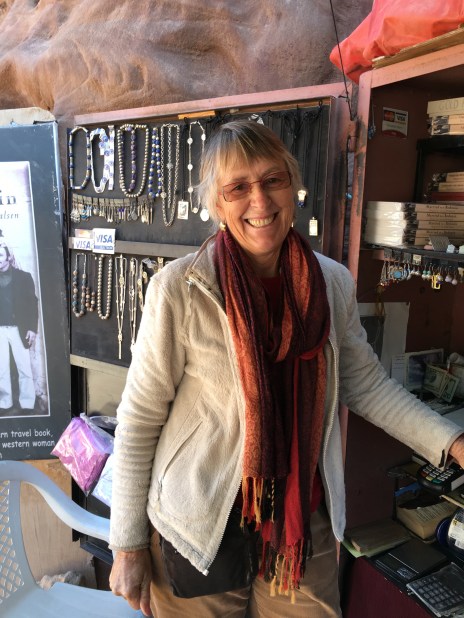
We met a woman, Marguerite van Geldermalsen, who married a Bedouin. She met him on the steps of the Treasury and married him two months later in 1978. She was on a trip from New Zealand and seeking adventure and she sure got what she wanted in spades! Her husband died in 2002 and she continues to live in Jordan near Petra with visits to New Zealand and Australia. She was super interesting! She wrote a book, Married to a Bedouin, which I bought of course!


IMG_1836
Marguerite

When we walked out of Petra we saw a horse and buggy going full blast!   Pretty exciting.  And, did I mention, that part of the road used by the Romans still exists?  It does!

Close Encounter
Close Encounter


 The following day we visited Wadi Rum while on our way to the airport.

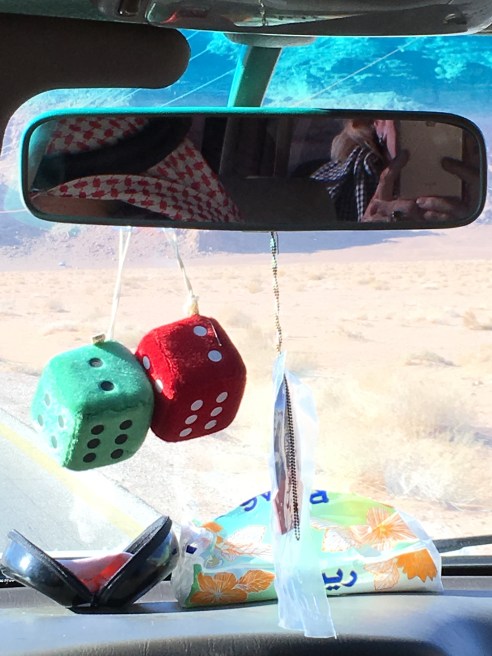
Our Drivers Car Wadi Rum
Our Drivers Rear View Mirror Wadi Rum
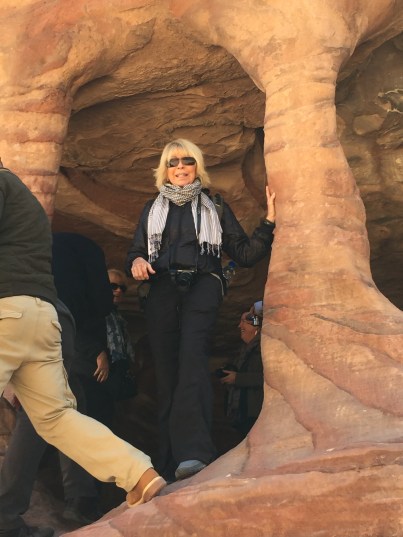
Elizabeth Wadi Rum
Elizabeth Wadi Rum
Ralph Petra copy
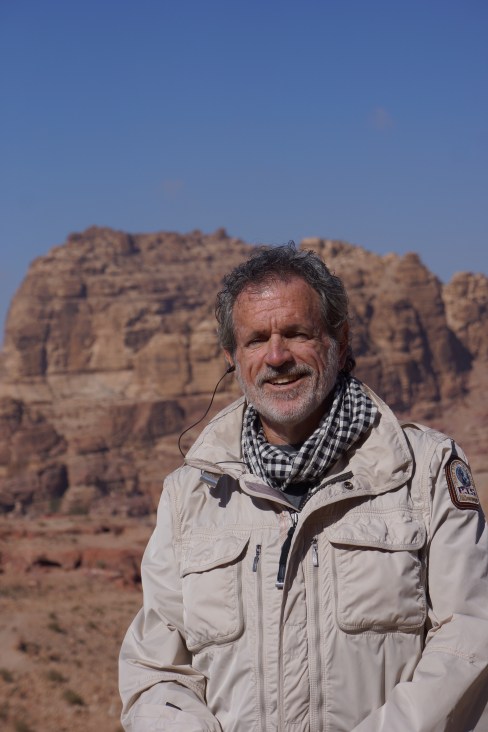
Ralph Wadi Rum


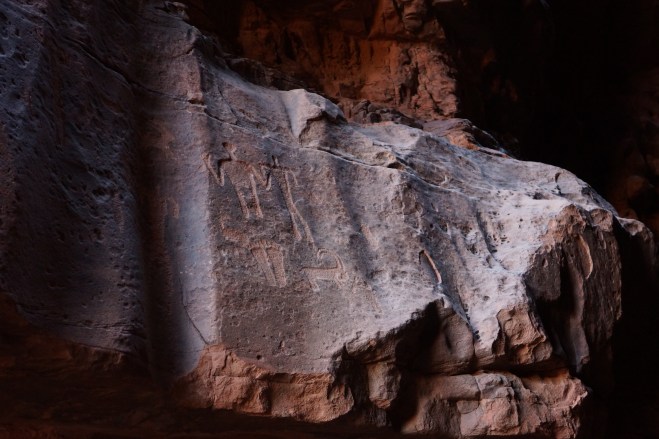
Wadi Rum is a protected area covering about 280 square miles of dramatic desert wilderness in the south of Jordan. Huge mountains of sandstone and granite emerge, sheer-sided, from wide sandy valleys to reach heights of 1700 meters and more. Narrow canyons and fissures cut deep into the mountains and many conceal ancient rock drawings etched by the peoples of the desert over millennia. Bedouin tribes still live among the mountains of Wadi Rum, although I’m not sure if they are nomadic.  All the tents we saw seemed to have permanent foundations!

Petroglyphs wadi rum
Petroglyphs Wadi Rum

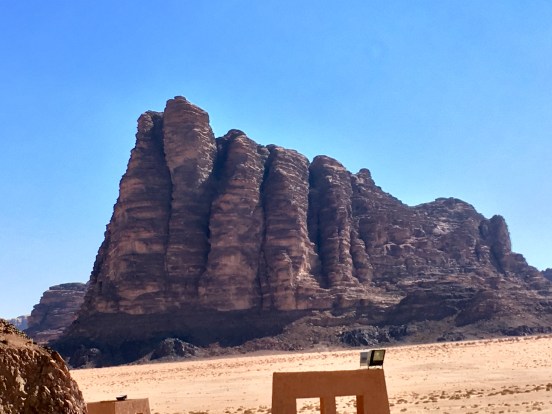
Local people gained notoriety when they joined the Arab revolt forces under the leadership of King Faisal and fought along with Lawrence of Arabia during the Arab Revolt (1917/18) to fight the occupying Turkish and German armies. Lawrence himself makes many references to Wadi Rum in his book ‘The Seven Pillars of Wisdom’, a title apparently inspired by one of Rum’s imposing mountains that was visible upon entry to the Wadi.


Pillars of Wisdom Wadi Rum

Virtually all the people living in and around Wadi Rum today are of Bedouin origin and, until recently, led nomadic lives, relying on their goatherds. We went to a hospitality tent (seriously) that had a foundation! We had tea around a fire…quite hospitable I’d say.

We will be fling to Marrakech and the fabulous Hotel, La Mamounia which got rave reviews from Nancie!  Can’t wait to see it and the Majorelle Gardens and the Souks!


Around the World #10 Jordan -Petra

Around the World #9 Tanzania

February 7, 8 2016

Tanzania – Serengeti


We had an over 7-hour flight to Kilimanjaro, Tanzania, where we boarded very small (to me) bush planes for our 1 hour flight to the Serengeti National Park and a one hour plus drive to our Hotel, the Four Seasons! (There is a God).


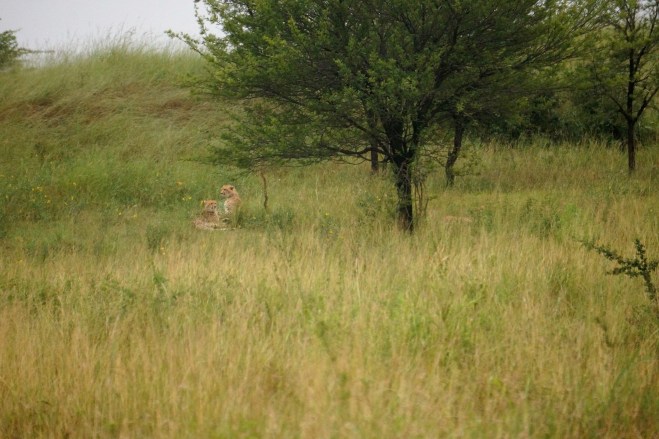
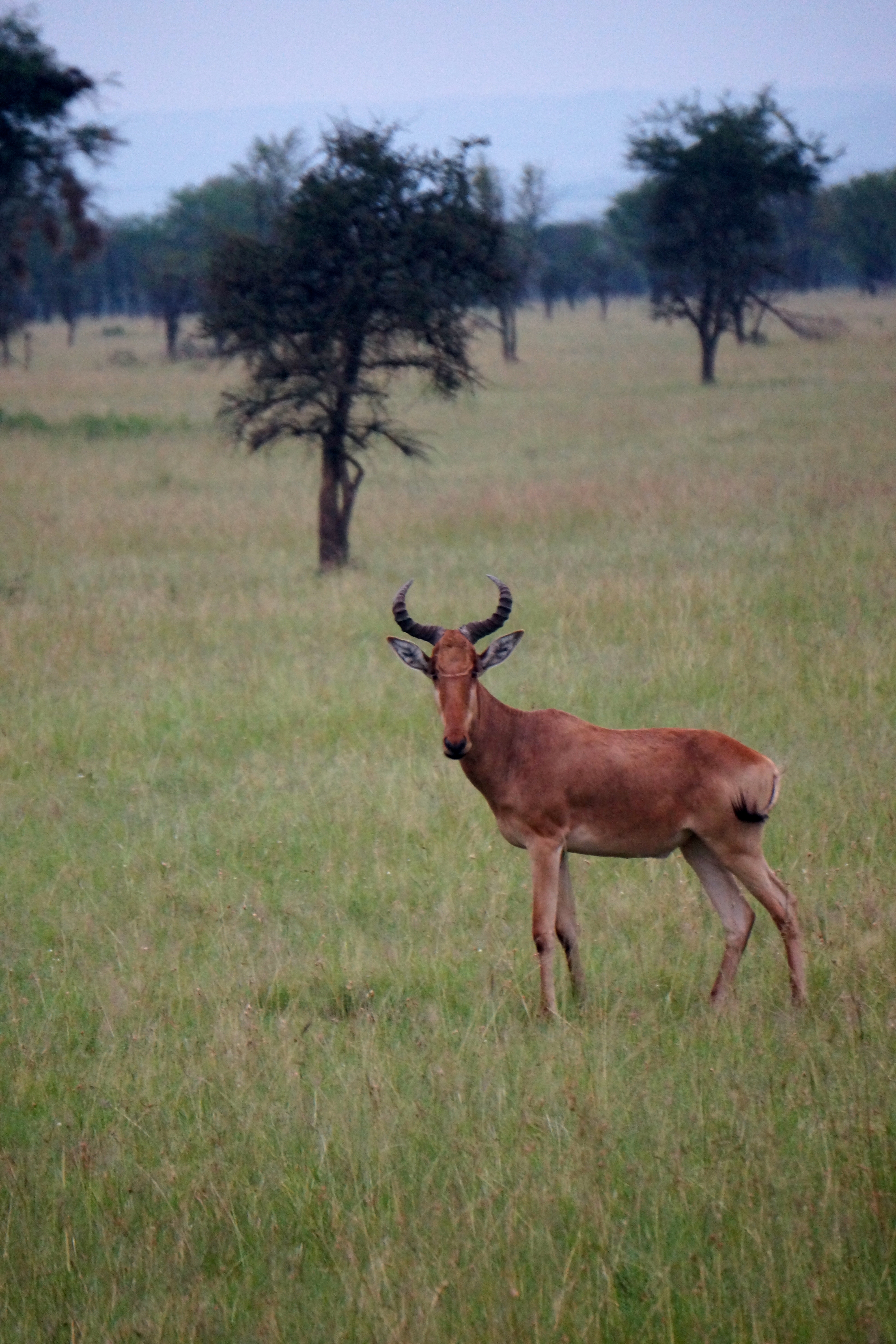
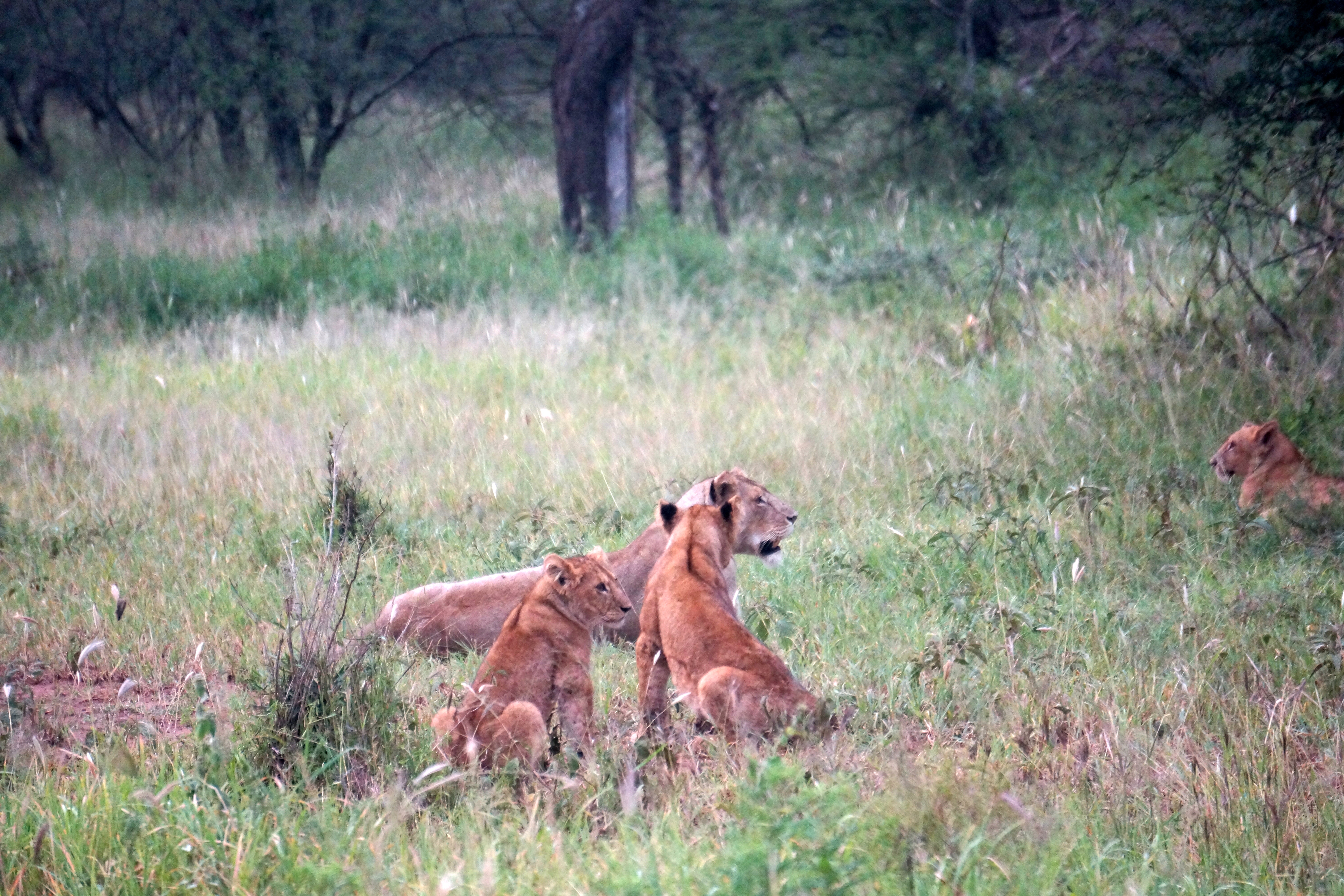
The Serengeti is host to one of the largest wild animal populations in the world! Wildebeest, monkeys, antelope, lion, zebra, cheetah, crocodile, gazelle, elephants, secretary birds, and leopards all roam this amazing place. We saw Elephants, Cape Buffalo, Dik-Diks, Thomson’s Gazelle, Maasai Giraffe, Hartebeest, Hippopotamus, Rock Hydrax, Impala, Topi, Warthog, Zebra, Cheetah, Jackal, Leopard, Lion, Mongoose, Baboons and many birds including Falcons, Egrets, Eagles, Secretary Birds, and Starlings!


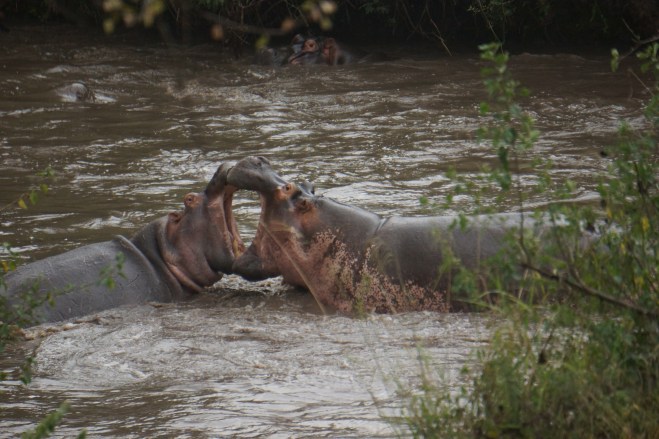
Hippos Fighting
Hippos Fighting


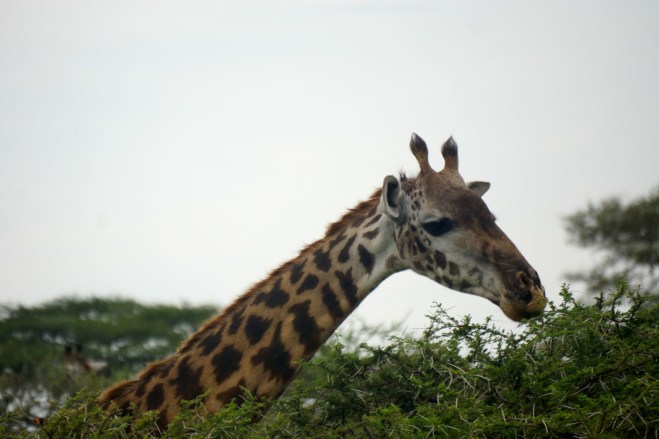
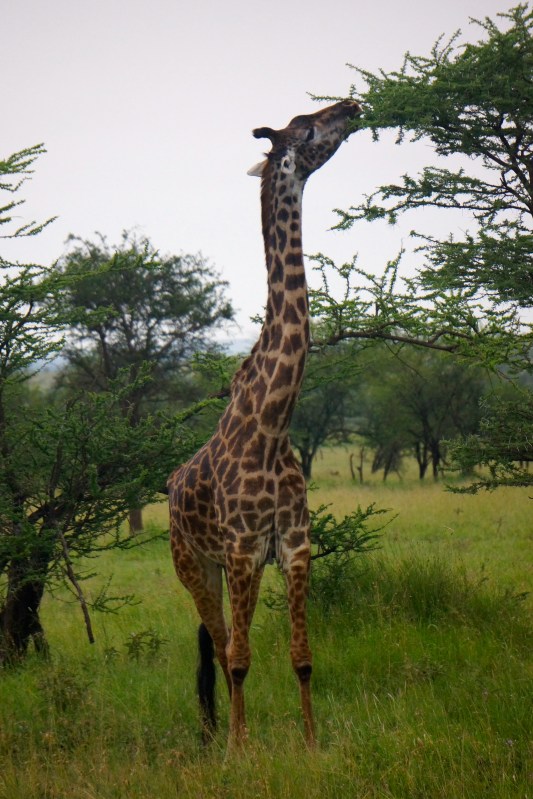
Maasai Giraffe
Giraffe’s Dinner!

Upon arrival in Serengeti National Park, we went on a game drive on our way to the Hotel! We saw Zebra, elephants, a Leopard in a tree, Hippos and more! The Serengeti National Park protects the greatest and most varied collection of terrestrial wildlife on earth and is famed for its annual migration where over 200,000 zebra and 300,000 Thomson’s gazelle join the wildebeest trek for fresh grazing and how I wished we could have seen that! Even without the migration, we saw plenty!

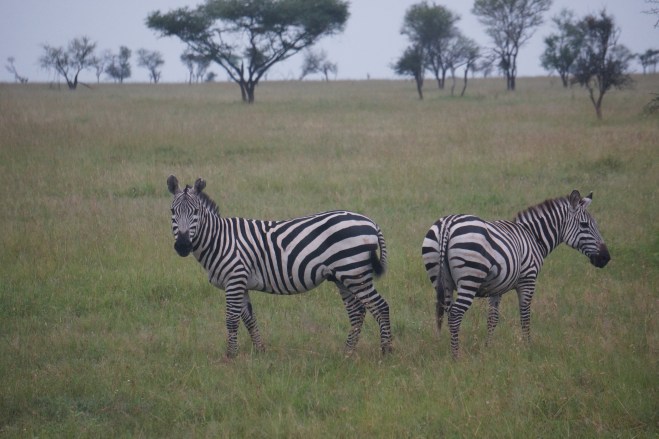
Zebra
Zebra Bookends
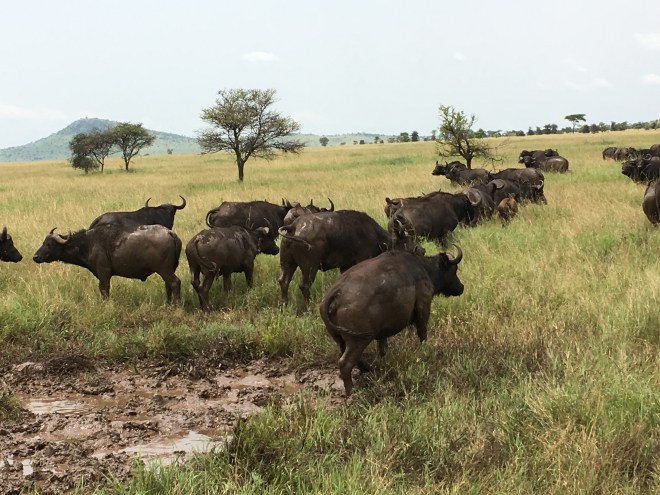
Water Buffalo
Cape Buffalo
Giraffe
Giraffe
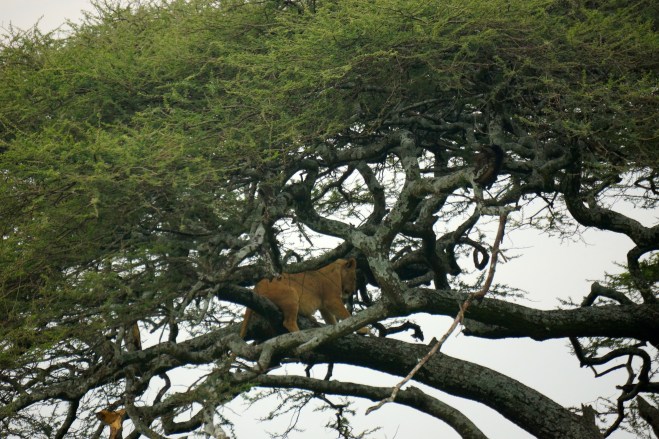
Lion in Tree
Sleepy Lion in a Tree
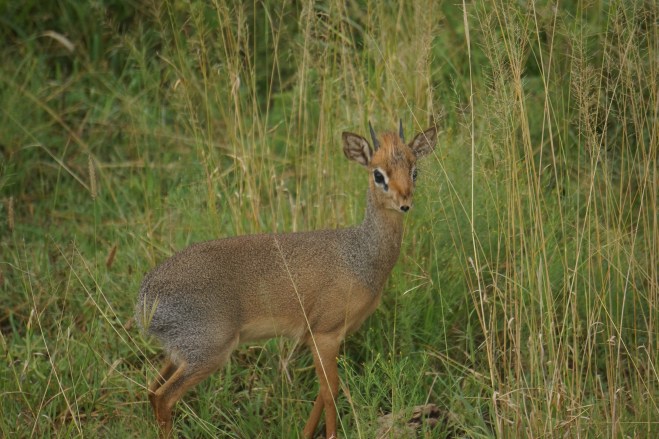
Dik-Dik
Dik-Dik
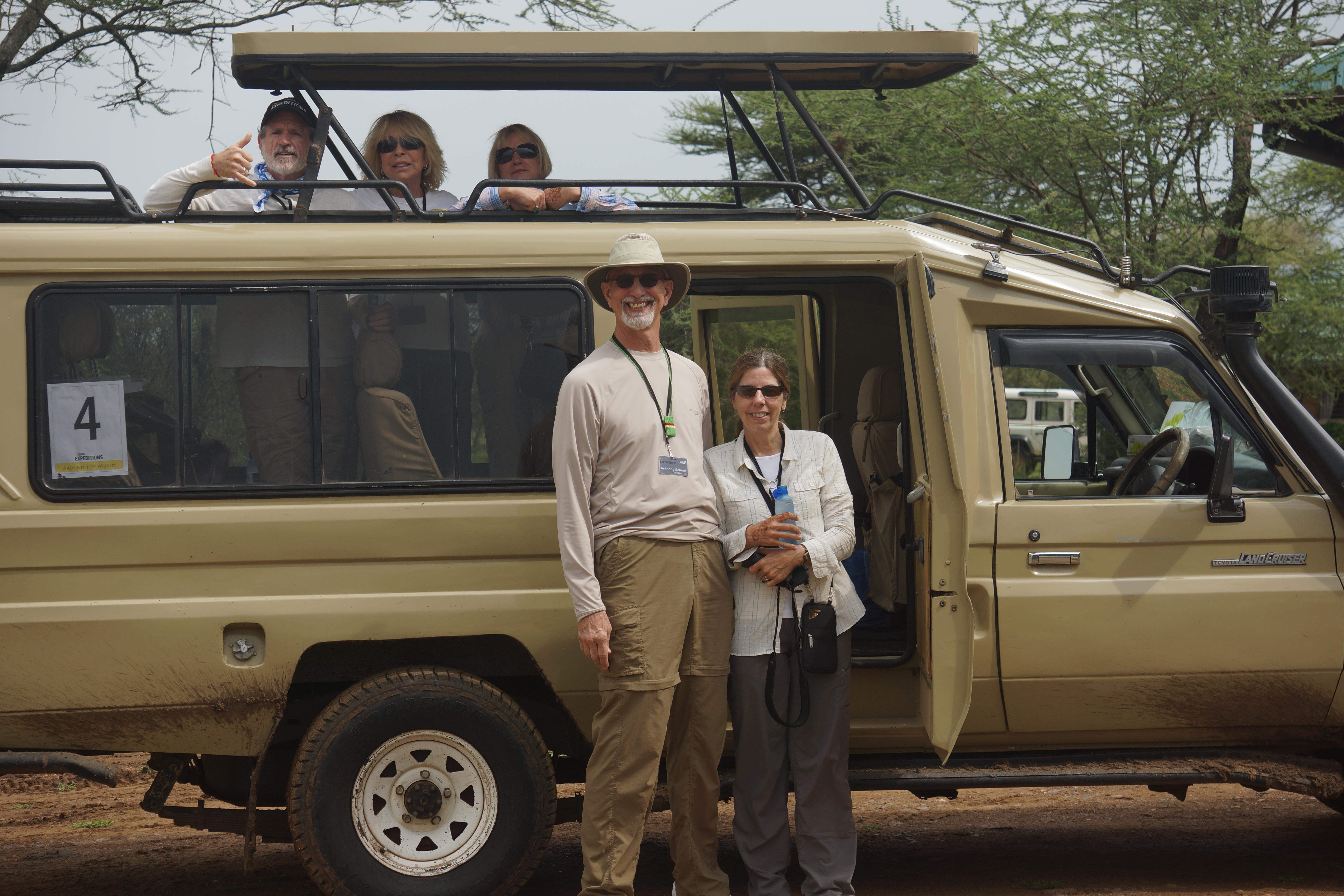
Game Drive with Anthony and Emily
Cheetah
Cheetah
Topi
Topi
Mom and her babies
Mom and her babies


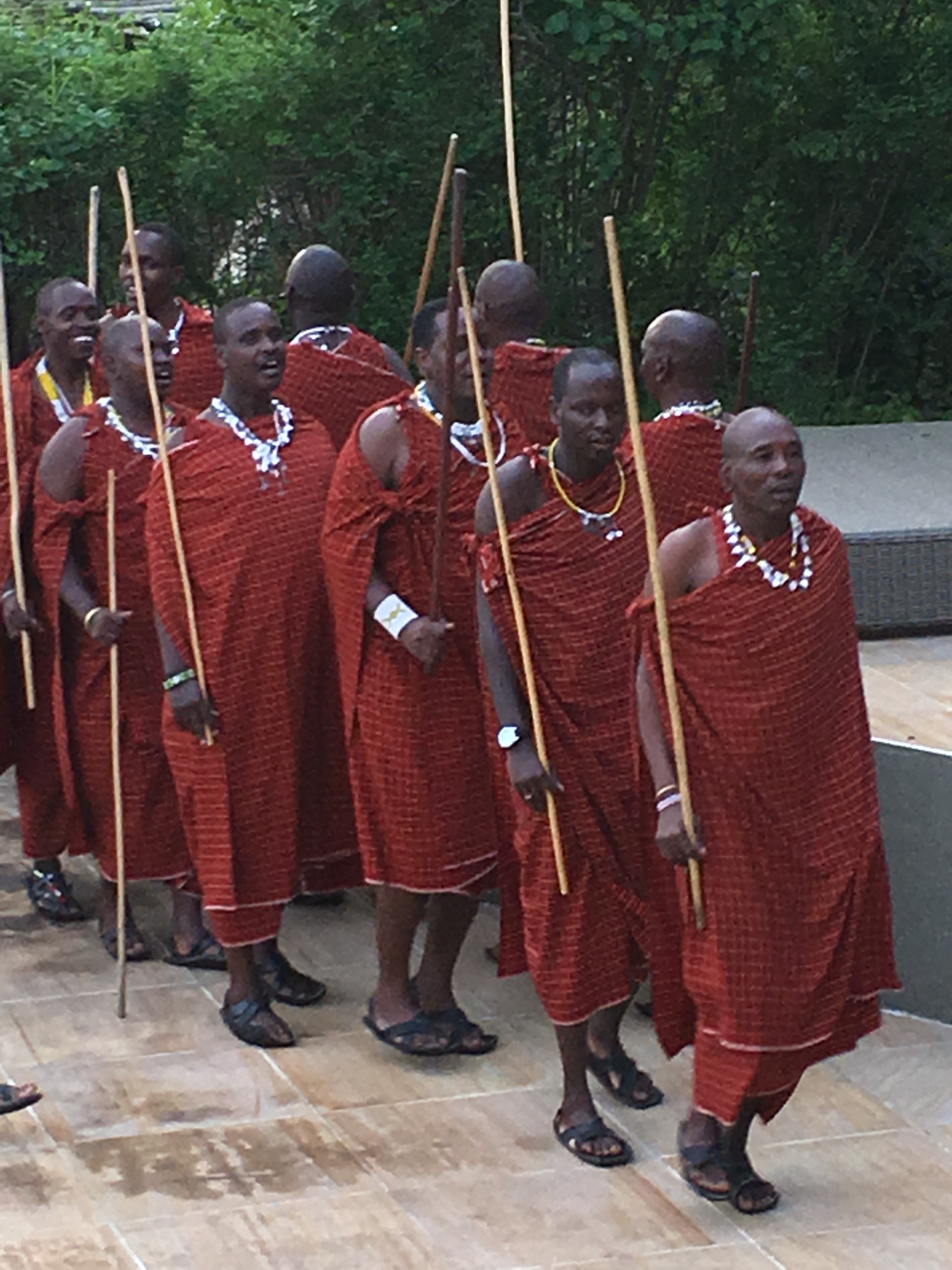
The Hotel was of course, great! We had to be escorted back to our rooms at night by Maasai! So cool!

Maasai Warriors Dancing


Tanzania is a little more than twice the size of California and has about 48.2 million residents. The life expectancy is about 61 years…..seems so young!   The name “Serengeti” comes from the Maasai language and means “extended place”. The National Park is about 5,700 square miles and it is the most complex, and least disturbed ecosystem on earth, can you imagine?!

In 1959, the first hominid footprints were discovered by Louis and Mary Leakey in the Olduvai Gorge. The excavation still continues and is under the supervision of their granddaughter, Louise Leaky. She actually came to our hotel and spoke to us about her efforts and her journey. Most impressive!

Louise Leaky
Louise Leaky

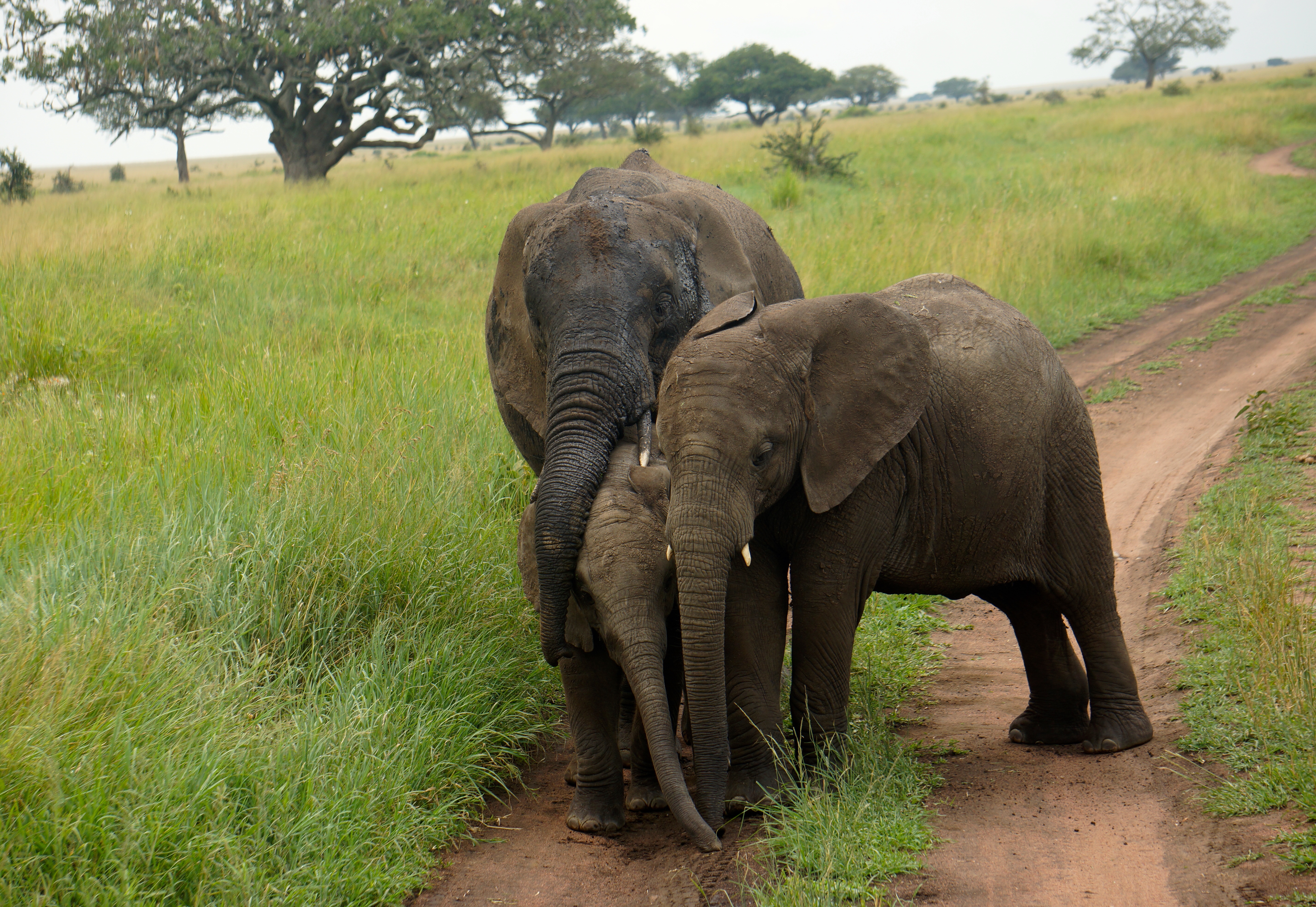
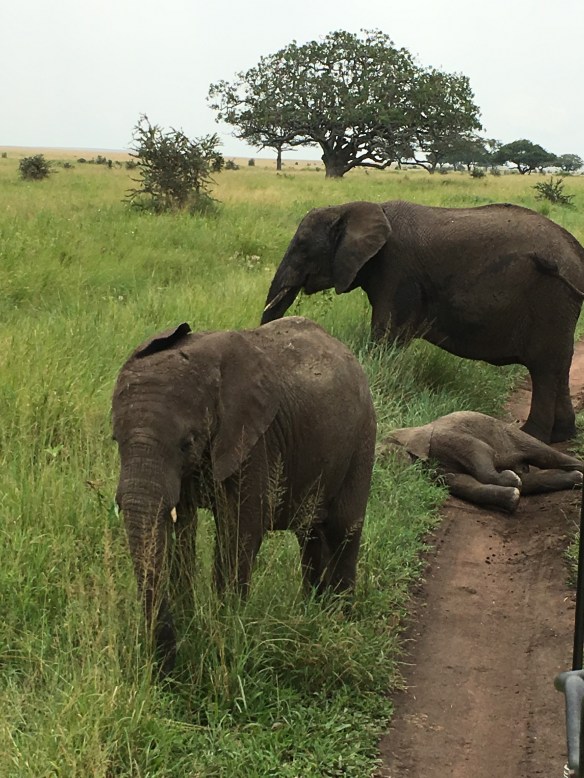
On one of our game drives, we were surrounded by a herd of elephants. There was a quite young baby and two juveniles. The little guy would just collapse to take a nap on the road…very funny and oh so cute! They stayed with us for over 30 minutes and at the end the big bull elephant, who was watching from afar, approached and off they all went. Quite a thrill to be among these enormous creatures!

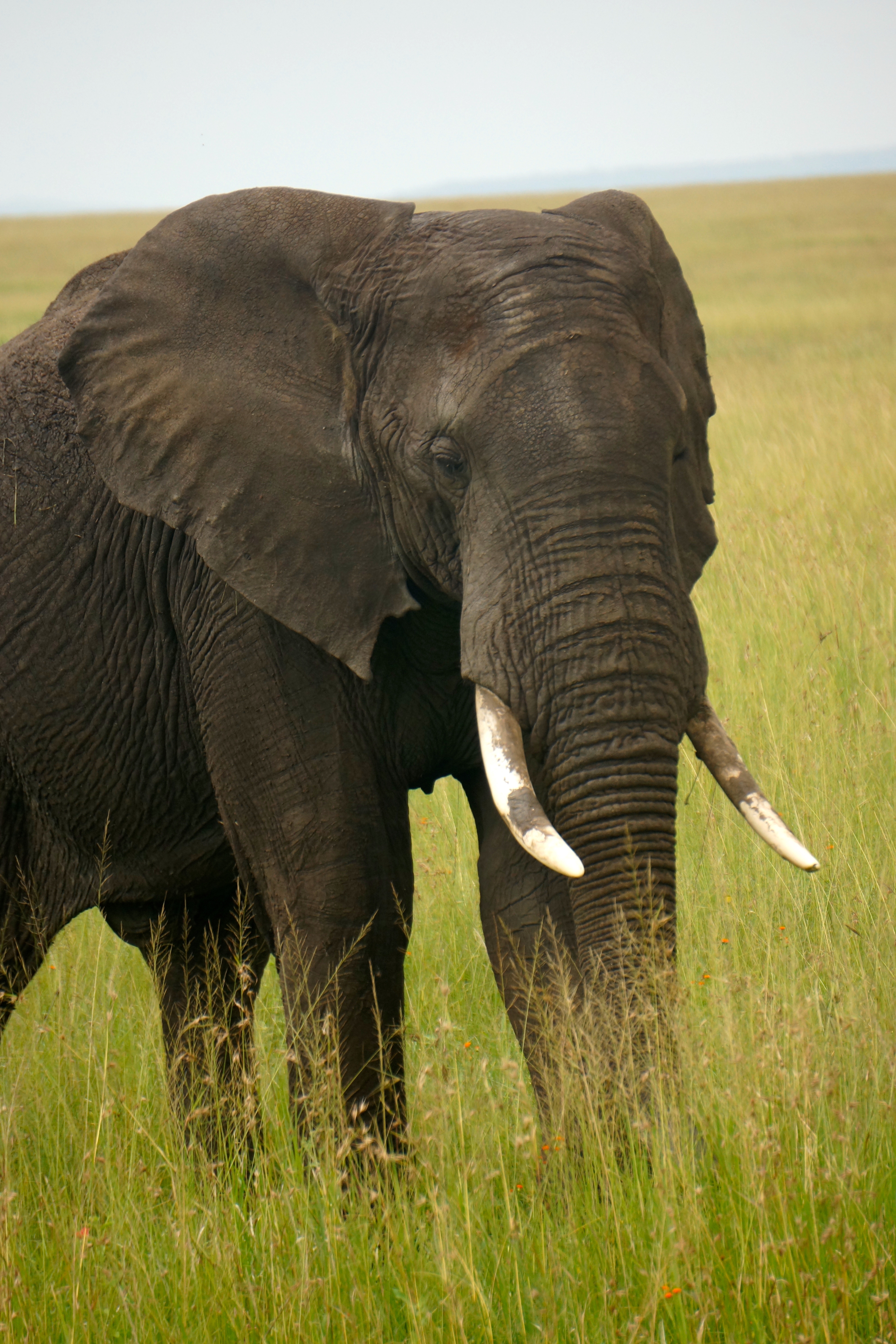
Bull Elephant
Bull Elephant
Baby and pals!
Baby and pals!


Baby Elephant Napping


Africa …. a dream come true. I’d definitely return.


Next, Jordan and Petra –  Bucket List Porn.


Around the World #9 Tanzania

Around the World #8 India

February 5 and 6, 2016

 Taj Mahal

Bucket List


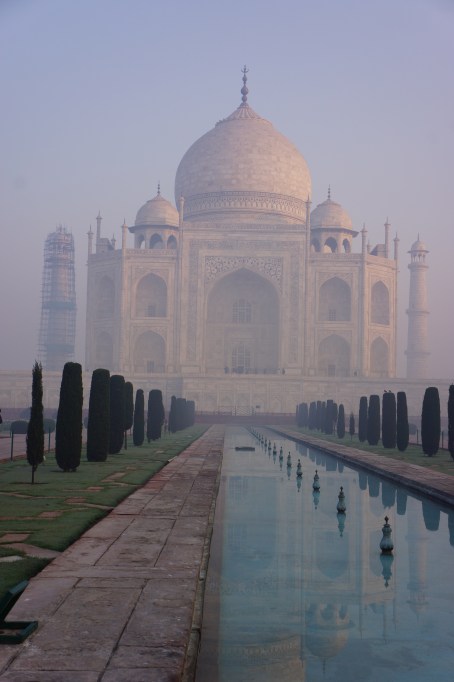
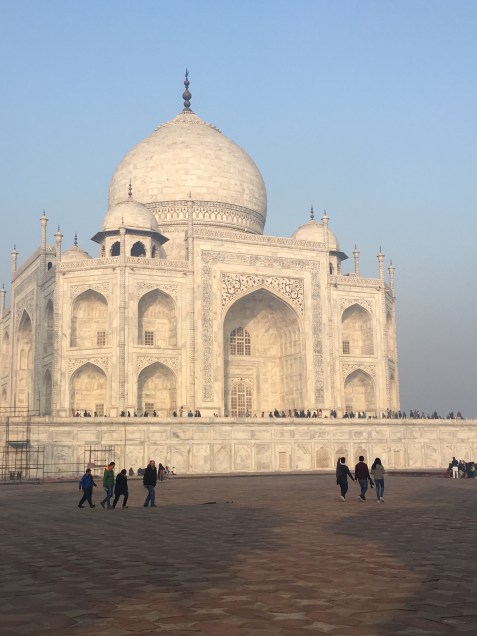
After a relatively short flight to Agra (3 hours, 50 minutes), we checked into our fabulous hotel, The Oberoi Amarvilas. WOW! A view of the Taj from every room! Surreal, and something I’ve longed to see for a very long time. Truly more beautiful in person than in any photograph.


The Taj Mahal is probably the world’s most recognized building and is one of the “New Seven Wonders of the World”. This magnificent white marbled mausoleum was built by Mughal Emperor Shah Jahan as the final resting place for his second wife Arjuman Banu (also known as Mumtaz Mahal). She died while giving birth to their 14th child on June 17th, 1631.   At the age of fourteen, Mumtaz Mahal became engaged to Shah Jahan. He fell in love with her at first sight. The year was 1607. The couple had to wait for five years after their engagement to get married (the date of their wedding was to be decided by an astrologer – in order to ensure a happy married life for the couple). Mumtaz Mahal and Shah Jahan finally got married in 1612 and she became the love of his life.   The Taj Mahal is a tribute to that love. We saw the tombs of both Shah Jahan and Mumtaz Mahal. Mumtaz Mahal means “chosen one of the palace”. Construction of the Taj Mahal began in 1632 AD and was completed in 1648 AD. Materials from all over India and Asia were used to construct the Taj.  Over 1000 elephants were used to carry building materials. The white marble used to construct the monument was sourced from Makrana in Rajasthan. Turquoise was sourced from Tibet, Lapis Lazuli from Afghanistan, Jade and Crystal from China and Sapphires from Sri Lanka and Arabia.

Taj through the fog
Early Morning through the Fog
Taj1
Taj Mahal
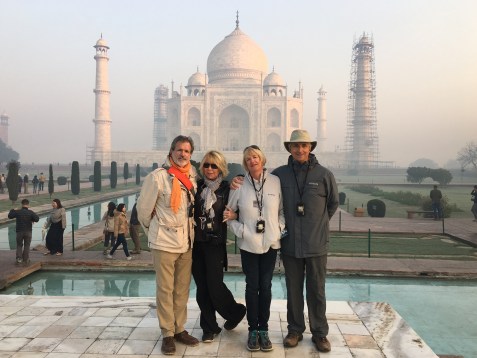
Elizabeth:Ralph:Sarah:Allan Taj
With our new BFF’s, Sarah and Allan


Legend has it that while on her deathbed, Mumtaz asked Shah Jahan to build her the most beautiful tomb the world has ever seen.  And he did, and, it is magnificent!


The Taj Mahal has been a source of inspiration to poets, writers and lovers over the years. One of the most moving descriptions of the Taj was by Nobel Laureate Rabindranath Tagore who described the Taj Mahal as “a teardrop on the cheek of Time”. A fitting tribute to a building as beautiful and meaningful as the Taj Mahal, and speaks volumes of a man’s deep and unending love for his wife.

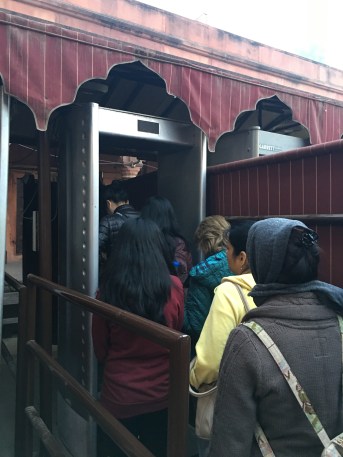
We elected to do an early morning visit. The security was really tight (a good thing) and while it opened after sunrise, it was still great! Not too crowded and we got some good shots I think. We explored the adjacent Mosque,  visited the tombs, and walked in the gardens. Thrilling, and I had high expectations!

Taj security
Security at the Taj Mahal


Later that afternoon we visited a marble factory, and a fabulous jewelry store (Kohinoor) DANGER!


Next stop, another Bucket List destination, Tanzania and the Serengeti, and a very long flight. I LOVED India! The food was the best, and the people so nice and friendly. I’d definitely return given the chance!


Around the World #8 India

Around the World #7. Myanmar

February 2, 3, 4

Mingalarbar!!


This is a greeting that means roughly, “wish you to be auspicious”. It is an expression of introduction and we heard it many, many times during the day and evening. I loved saying it!

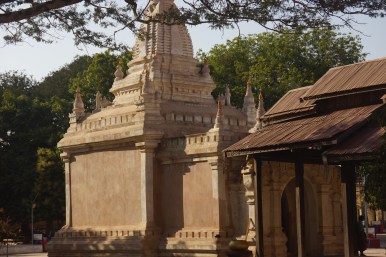
Anada
Anada


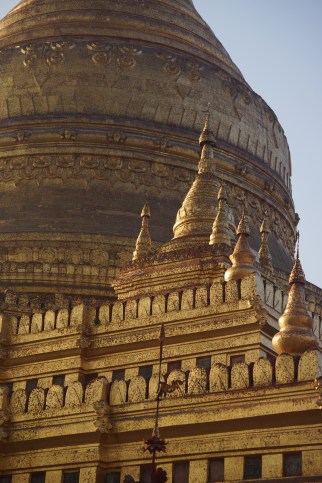
Quick flight from Siem Reap to Yangon….less than 2 hours. Visited the Sheweseegon Pagoda and the Ananda Temple on our way to the hotel. Yangon is the largest city in Myanmar with about 5MM people. In 1989, the country changed its name from Burma to the Union of Myanmar. Rangun became Yangon, and Pagan became Bagan, etc.   Myanmar people wear the longyi, which is a tube of cloth and is tied using no zippers or belt. Some of our expedition mates adopted the longyi with great gusto and I have a feeling the style will show up in the Hamptons and maybe even Lanikai this summer! Myanmar people regard gold as their most precious ornament, and seriously, it’s everywhere: covering entire pagodas and huge statues of Buddha.

Shwedagon Pagoda
Gold, and More Gold


About 90% of the population is Theravada Buddhist. Buddhist institutions play a major role in all communities, and the communities regularly donate food in support of the monks. Boys are expected to become temporary novice monks during their youth, bringing honor to the household. The novices stay at the monastery for a minimum of a week. We saw several during our visit.


Aung San Suu Kyi is perhaps the best-known person in Myanmar, and she is widely beloved and respected. As a result of reforms, she now serves as an elected Member of Parliament and Chair of the Committee for Rule of Law and Tranquility (love that).


Next we boarded a charter for our flight to Inle Lake and a bus ride to transfer to boats to take us to our hotel. Oy Vey. We are staying at Aureum Resort and Spa…quite wonderful actually! During our boat ride, we witnessed the most amazing fishermen. They look like they are doing yoga on the water….. so graceful! I bought the pants the next day in black and white!


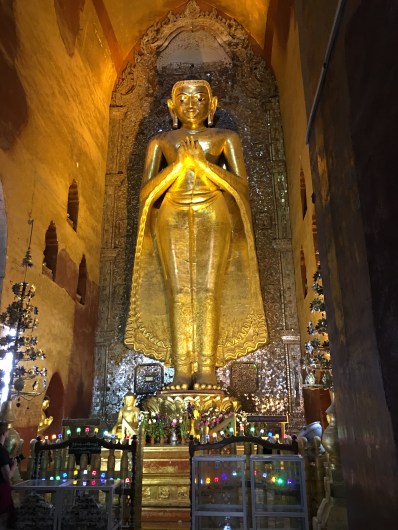
We visited The Phaung Daw Oo Pagoda which in the center of Inle Lake. The Pagoda houses five gilded Buddha images.  As an aside, you may not wear shoes or socks on sacred ground. No bare shoulders or knees.

Buddha


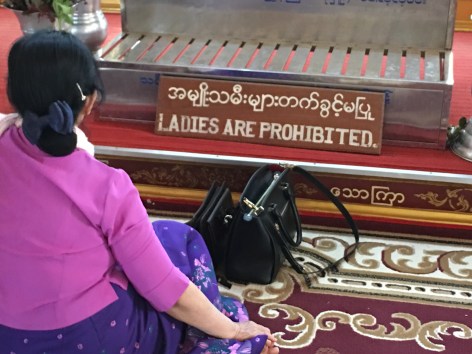
There was a place where MEN were allowed to add gold leaf to the Buddha and no women were allowed! Oh dear.

Women Prohibited
Women Prohibited


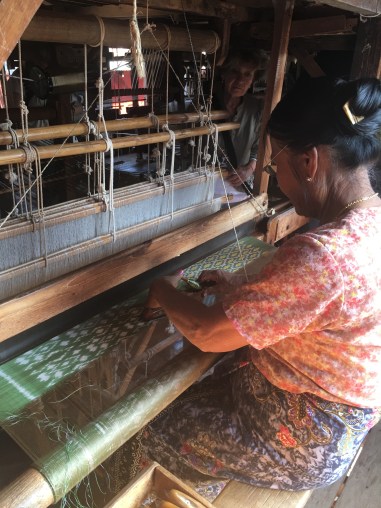
We visited the Thein Pagoda ruins the following day and a local market place. That night we had a dinner with entertainment…traditional Burmese music and dance!  We went to a Silk Factory which was very cool.  Lotus silk actually. Bought two scarfs!

Silk Weaver
Silk Weaver


We leave on the 5th for India and the Taj, another Bucket List destination!


Around the World #7. Myanmar

Michael Bloomberg: The Presidential Candidate America Needs


We have presidential candidates that marvel in spectacle, and mire themselves in the suggestion of scandal; alternating between the false populism of a thrice-married man of insults and crass humor, and the socialist rhetoric of a Vermont senator, who promises to make college tuition and health insurance “free.”

Among the rest of the candidates, one of who boasts about his lack of support from his fellow members of Congress, and a former Secretary of State facing a criminal investigation by the FBI, for most members of the electorate – especially young voters – the choices seem bleak, like the national economy and the political stalemate in Washington, DC.

Forget the rhetoric about lesser evils, which is one word too many, and consider the alternative to this contest between “Team R” and “Team D.”

Think of a potential candidate with the independence of mind – and money – to escape the yoke of special interests.

Think of a man from Wall Street, with an understanding of the problems plaguing Main Street, who also has the international exposure a global city, provides.

Think of a three-time mayor of New York City, a public servant fluent in the language of foreign policy – and more than conversant in the fight against Islamic terror – who nonetheless has local appeal.

Think of a candidate smart enough to know, and strong enough to do, who can reform education, champion charter schools and confront the corruption of the status quo.

Think of the name of this citizen-politician, who understands the financial cost and the physical price of health epidemics like heart disease, Type 2 Diabetes and obesity.

Say the name of this enemy of Big Tobacco, and repeat the words of this opponent of Big Money and Super PACs.

Bipartisan by definition, and pragmatic by design, this man – this former leader of 8.5 million New Yorkers – is the Honorable Michael Bloomberg.

He is the presidential candidate we need, if this country is to revive its fiscal strength, tighten its commitment to education, renew its respect for science and reverse the threat of climate change.

No other candidate is as nimble as, and no other politician is as adept as, Mayor Bloomberg.

He offers detailed solutions, not outlandish rhetoric and empty programs.

He is wise enough to know how to negotiate – he is smart enough to know the art of the deal – and realistic enough to produce impressive results.

He is not the prisoner of this or that union, or the mouthpiece for some rich lobby.

He would be the leader of all the people.

Now is the time for a candidate serious about the future of America, with a plan to ensure the success of his fellow Americans.

He is the trump card we must use, if this country is to meet its obligations, confront its challenges and control its destiny.

The other candidates meet the age requirement for election to the White House.

Only Michael Bloomberg fulfills the moral requirements to preserve, protect and defend the Constitution of the United States.

He will show us the way forward.

We need President Bloomberg, now more than ever.


Elizabeth Rice Grossman


Michael Bloomberg: The Presidential Candidate America Needs

Around the World #6 Cambodia


January 31, February 1

Cambodia, Angkor Wat


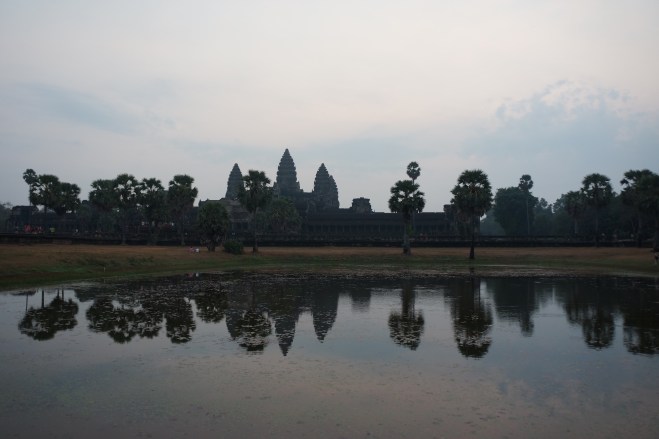
Oh Boy!! Another Bucket List destination: Angkor Wat.   We started our visit with a sunrise shoot. Unfortunately, many, many people had the same idea. Jay Dickman scouted a less crowed area and put us in a perfect spot. (Except the guy in the white T-Shirt, center slightly left).
 

Angkor Wat Sunrise1
Sunrise at Angkor Wat


Angkor Wat Archaeological Park is deep in the forests of Cambodia’s Siem Reap province. The Khmer Empire’s various capitals thrived there from the 9th to 15th centuries. We only saw a relatively small portion. Angkor covers more than 400 square miles. There are many surviving temples, and the massive Angkor Wat is the most famous. The site was built as a spiritual home for the Hindu God, Vishnu. It is breathtaking, glorious, and otherworldly and there are not adequate words. We visited other sites as well: Bayon, Ta Prohm Temples and the Elephant Terrace. The Terrance of the Elephants is a huge platform with walls covered by elephant carvings. It was used as the royal reception pavilion during the reign of Jayavarman 7th, (12th Century).


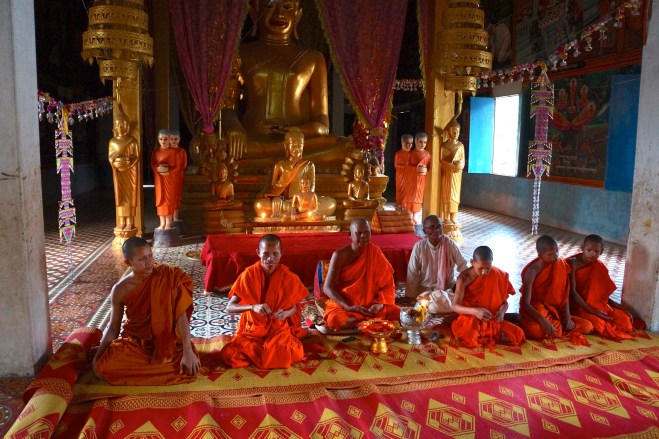
We also were able to sit with monks and they presented us with red bracelets that they tied on our wrists after chanting a blessing…amazing! And, I’m confident that the bracelets afforded us safe travel (one can hope).

Monks Angkor Wat
Blessing Ceremony


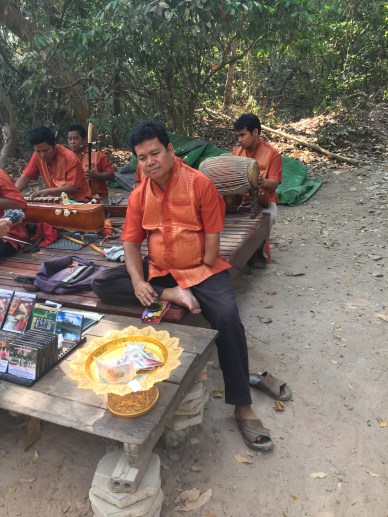
On one of our tours, we saw a band that was composed of land mine survivors. They were quite good!

Landmine Band
Land Mine Survivor Band


Today, there are over 15,200,000 people living in Cambodia and 95% are Theravada Buddhists. In ancient times, the Khmers practiced animism. When Hinduism swept over Indochina, in the first century and later in the 13th century when Buddhism appeared, local animist beliefs were combined with the new religions and created a unique Cambodian belief system. During the Khmer Rouge regime, religion was completely taboo. The Khmer Rouge executed monks, destroyed temples and shrines as well as Buddhist libraries.(Sound Familiar???)  The people have made a huge effort to rebuild and restore places of worship since the fall of the Khmer Rouge.   Pretty great.


We stayed at the Raffles Grand Hotel d’Angkor….dreamy hotel.

IMG_1277


Next stop is Myanmar!


Around the World #6 Cambodia

Around the World #5 Australia

January 30, 2016

Australia, Port Douglas

G’day Mate!

This portion of our trip was a quick stop prior to going to Cambodia. It was 6-½ hour flight from Samoa to Australia.

We scheduled to see the Great Barrier Reef, the world’s largest coral reef system, and also the biggest single structure made by living organisms. I didn’t snorkel, surprise! Not being one with the sea creatures is part of my DNA. Instead, I tested my severe claustrophobia by actually riding beneath the surface in a semi-submersible and it was gorgeous. The reef that we saw was very healthy, and the colors were vibrant and beautiful. According to UNESCO, the diversity of species and habitats, and their inter-connectivity, make the GBR one of the richest and most complex natural ecosystems on earth. There are over 1,500 species of fish, about 400 species of coral, 4,000 species of mollusk, and some 240 species of birds, plus a great diversity of sponges, anemones, marine worms, crustaceans, and other species. WOW!


Snorkel People

Not me!


It was so hot and humid that my camera fogged! (see photo). It was also too hot to visit the Daintree Rain Forest, although I wish I could have done both.

Steamy Shot


On the way to the airport we actually saw a Woolworth Store in Cairns!  We arrived at the plane to a crew-decorated interior. Very cute and needed for the 7 1/2 hour flight to Cambodia…yep, 7 1/2 hours!


I must say something about our National Geographic Experts that were with us throughout our expedition.

Lee Burger  is a paleoanthropologist…sort of the rock star of paleoanthropologists actually.  In 2008 he discovered  what has been widely acknowledged as one of the most important paleontological finds in history:  A two million year old fossils of an adult female and young male of a previously unknown species of ape like creatures that may have been a direct ancestor of modern humans.  And in 2013, he and his team discovered what may be a burial site.  This was a new species as well and Lee named it Homo naledi.  This new discovery is the single largest fossil hominin find in Africa to date.  And, he assured us that there is a blockbuster announcement coming in September.  Stay tuned!  He was with his wife, Jackie, an M.D.  He was very engaged and an excellent speaker.

David Harrison is an Anthropologist and linguist.  He too was an excellent speaker and very engaged with our group.  He is a National Geographic Fellow and is Co-Director of the Society’s Enduring Voices Project.  They document endangered languages and cultures around the world.  His global research is the subject of an acclaimed documentary, The Linguists.  He is very impressive!

Jay Dickman is a Pulitzer Prize winning photographer.  His career spans over 35 years and he’s done 25 assignments for the Society.  He was in a word, AMAZING.  He was patient and immensely helpful.  He produced a slide show of our trip on our last night (Morocco) and it was breathtaking.   Watching him shoot was watching an artist at work.  I learned a lot!

On to Siem Reap, Cambodia and Angkor Wat, major Bucket List!


Around the World #5 Australia

Around the World #4 Samoa

January 28.


Talofa!

Our flight was to be a long one with a stop in Tahiti. The Tail Wind Gods were with us, and we were able to fly non-stop…we also crossed the International Date Line during the flight and I’m never quite sure what day is what and where!

We stayed at the Aggie Grey, which had quite the reputation back in the day. Now it’s a very nice resort with still a very good bar.


IMG_1076
Aggie Grey Resort Samoa


Samoa is very much like Hawaii and I felt right at home! The people are so nice and welcoming and, although our visit was too short, we really enjoyed it!

Samoa has about 200,000 people and their language is one of the oldest Polynesian languages and is closely related to Hawaiian, Tahitian, Maori and Tongan. They have an adult literacy rate of 99%…pretty impressive. Education is compulsory from ages 5 to 14.  Some scholars speculate Samoans originated  from the East Indies, the Malay Peninsula or the Philippines.  Samoans however, say that Samoans are from Samoa!  They believe themselves to be the cradle of Polynesian culture and a race of people that the God Tagaloa created while he was creating the earth.  Works for me.

When the missionaries came in the early 19th century, there were wholesale conversions. Christianity, it seems, and old Samoan beliefs had a lot in common.  The Samoan God, Nafanua, had predicted the coming of a new religion, which would be stronger and more powerful than the old gods. The Samoan way, Fa’a Samoa, remains the dominant force in Samoan life and politics. The family unit is all-important, and everyone shares everything. The chief of the family, the Matai, assumes the responsibility for family lands and assets. Our guide spoke about his own experience with so much emotion. Cultural pride has been a common thread throughout our trip so far.

The traditional Samoan pe’a (body Tattoo) takes many weeks to complete and is very painful, and it used to be a prerequisite for a man to receive the title of chief. Some believe that the pe’a is a way for young Samoan men to honor their heritage and show respect for their culture. They lost me at the very painful part. Our guide did not have a pe’a!

Kava Ceremony

One of the highlights was the visit to the Robert Louis Stevenson home, now a museum. It is called Vailima. Upon arrival we were greeted with a Kava Ceremony. We drank Kava, talked story and then went into the Museum. Interestingly, his mother had the best room! He died there at the young age of 44 on December 3, 1894. Robert Louis Stevenson loved Samoa and its people and they loved him back. He learned their language and they gave him a Samoan name, Tusitala, which means teller of tales. He and his wife are buried above Vailima on Mount Vaea.


RLS Museum


RLS Mother's BR
Mom’s Bedroom


Next stop Australia for the Great Barrier Reef!


Around the World #4 Samoa